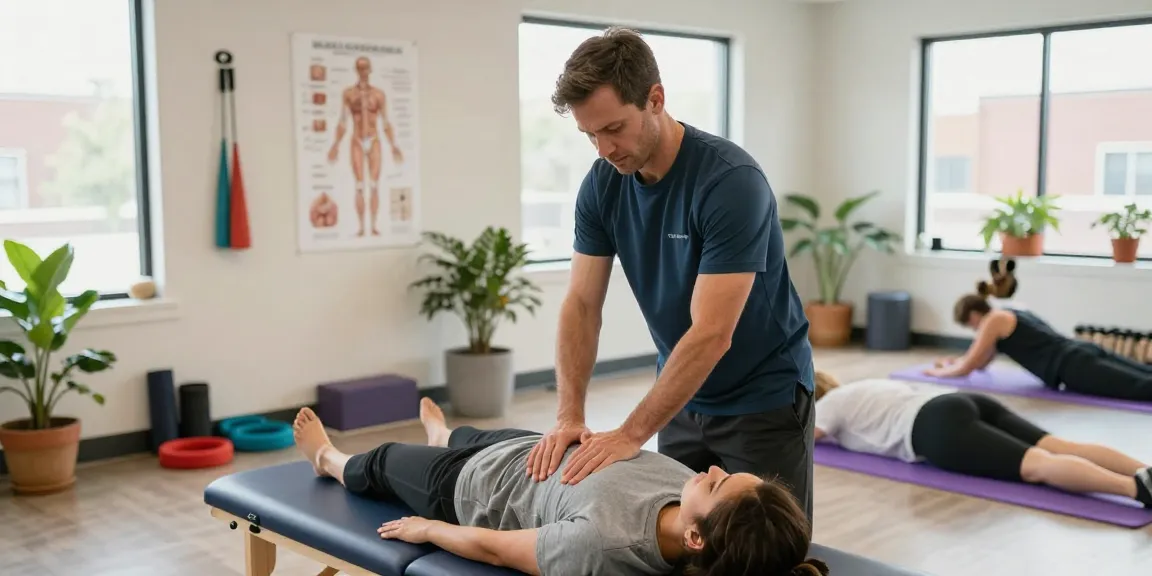
Understanding Osteopathy
Osteopathy is a holistic approach to health care that focuses on the interconnectedness of the body’s systems, recognizing how physical structure can influence overall function and wellbeing. This practice aims to address the root causes of discomfort and health issues rather than merely treating symptoms. Many people seeking alternatives to traditional medicine turn to osteopathy for its distinct methodologies and benefits.
When exploring options, Osteopath burlington can provide comprehensive insights into the various treatments available and the benefits they offer.
What is Osteopathy and Its Benefits?
Osteopathy is rooted in the belief that the body is a self-healing entity, equipped with the ability to recover from ailments if given the right support. One of the fundamental benefits of osteopathy is its ability to promote natural healing through a hands-on approach that massages, stretches, and manipulates various body parts. Patients often report improvements in pain management, especially for chronic conditions like lower back pain, arthritis, and migraines.
Some of the key benefits of osteopathy include:
- Enhanced mobility: Osteopathic treatments can improve flexibility and range of motion in patients.
- Pain relief: Many patients experience significant reductions in pain from conditions ranging from sports injuries to chronic pain.
- Personalized treatment: Osteopaths tailor their approaches to meet the specific needs and health goals of each patient.
- Improved overall health: Osteopathy focuses on the whole person, addressing physical, emotional, and lifestyle factors.
Key Principles of Osteopathy Practices
Osteopathy is built on four key principles that include:
- The body is a unit: All aspects of the body are interconnected, and dysfunction in one area can affect others.
- Structure and function are interrelated: Anomalies in physical structure can impact function and vice versa.
- The body has self-healing mechanisms: The body is capable of healing itself when given the right support.
- Patient-centered approach: Treatment is personalized, taking into account the patient’s unique situation and health needs.
Different Techniques Used by Osteopaths
Osteopaths employ a variety of techniques during treatments, which can include:
- Soft tissue manipulation: Techniques such as stretching, kneading, and pressure help alleviate tension in muscles.
- Joint mobilization: Gentle movements of joints can improve range of motion and reduce pain.
- Myofascial release: This technique targets the fascia, enhancing blood flow and allowing for quicker recovery.
- Visceral manipulation: This approach aims to improve the function of internal organs by applying gentle pressure.
Finding an Osteopath in Burlington
Finding a qualified osteopath can feel overwhelming, especially with the many options available. It’s essential to consider factors like expertise, location, and treatment style when searching for the right practitioner.
Researching Qualified Osteopaths Near You
Begin by identifying osteopaths in your area through online databases, local listings, or referrals from healthcare providers. Websites that specialize in health professionals can provide valuable information about practitioners’ qualifications, specialties, and patient reviews.
Additionally, local community boards and social media groups can be excellent resources for personal recommendations and insights about the experiences of others.
Signs of a Good Osteopath to Look For
A good osteopath should demonstrate several characteristics, including:
- Effective communication: They should be able to clearly explain diagnosis, treatment options, and answer any of your questions.
- Empathy and understanding: A good practitioner will listen to your concerns and tailor their approach accordingly.
- Professional qualifications: Ensure they are licensed and have the necessary training and continuing education.
- Holistic approach: Look for an osteopath who considers all aspects of your health, including mental and emotional well-being.
Evaluating Credentials and Experience
When selecting an osteopath, it’s crucial to evaluate their credentials and experience. Check for their education, any board certifications, and years in practice. Additionally, understanding their areas of expertise can help you determine if they are equipped to address your specific health needs.
Don’t hesitate to ask about their treatment approaches and success stories, as this can give you insights into their effectiveness and whether they align with your health goals.
Common Conditions Treated by Osteopaths
Osteopathy is effective in treating a variety of conditions, which makes it a valuable resource for many individuals seeking holistic health solutions.
Managing Chronic Pain with Osteopathy
Chronic pain is one of the most common reasons patients seek osteopathic care. Osteopaths focus on understanding the underlying causes of pain, combining manual therapies with lifestyle modifications to improve the patient’s condition. This comprehensive approach can lead to significant pain reduction and better management strategies.
Improving Mobility and Flexibility
Many individuals experience stiffness and reduced mobility due to injuries, age, or sedentary lifestyles. Osteopathic treatments can help by using stretching and manipulation techniques that enhance blood flow and encourage greater flexibility, allowing patients to regain function and mobility.
Osteopathy for Sports Injuries and Recovery
For athletes, osteopathy provides a significant advantage in both injury recovery and performance enhancement. By promoting proper alignment and function, osteopaths can help athletes recover from injuries more efficiently and prevent future ones. Techniques like myofascial release and joint mobilization are particularly effective in treating sports injuries.
Best Practices for Osteopathic Care
Effective osteopathic care is built on a foundation of best practices that ensure optimal patient outcomes.
Building a Patient-Centered Care Approach
Putting the patient first is essential in osteopathy. This involves thorough assessments, tailored treatment plans, and ongoing support. Osteopaths should continuously engage with their patients, adapting treatments based on feedback and progress.
Integrating Osteopathy with Other Treatment Modalities
Osteopathy can be effectively combined with other healthcare practices, such as physiotherapy and chiropractic care. These integrative approaches can enhance overall treatment outcomes, ensuring that patients receive a comprehensive care plan that addresses their unique needs.
Continued Education and Professional Development for Osteopaths
To provide the best care, osteopaths must engage in continuous education and professional development. This commitment to staying updated on the latest research and techniques ensures that practitioners can deliver effective and evidence-based treatments to their patients.
The Future of Osteopathy in Burlington
The landscape of healthcare is always evolving, and osteopathy is no exception. Staying ahead of trends will be essential for practitioners and patients alike.
Emerging Trends and Innovations in Osteopathy
As the field of osteopathy grows, new treatment techniques, technologies, and holistic methodologies are being developed. Practitioners are increasingly integrating digital health tools to monitor patient progress and enhance patient engagement, promoting proactive treatment approaches.
Importance of Community Engagement and Education
Building awareness about osteopathy within the community is vital. Engaging in workshops, seminars, and collaborative events with other healthcare providers can help demystify osteopathy and make it more accessible to those who might benefit from its practices.
Forecasting the Growth of Osteopathy Practices in 2026
Looking ahead, the demand for osteopathic practices is expected to increase as more individuals seek holistic, non-invasive treatment options. Practitioners who embrace innovation and continue to educate the public about osteopathy’s benefits will be well-positioned for growth in the coming years.
What to Expect During Your First Osteopathic Appointment?
During your first appointment, you can expect a thorough assessment, which will include a discussion of your medical history and a physical examination. Your osteopath will explain their findings and work with you to develop a personalized treatment plan.
How Can Osteopathy Enhance Your Overall Wellbeing?
Osteopathy enhances overall wellbeing by addressing not just physical symptoms but also emotional and lifestyle factors that impact health. By fostering a state of balance and alignment, patients often experience greater vitality and improved quality of life.
Are There Any Risks Associated with Osteopathic Treatment?
While osteopathy is generally safe, there may be minor risks such as soreness or discomfort following treatment. It’s essential for patients to communicate openly with their osteopath about any concerns or pre-existing conditions to ensure safety.
Can Osteopathy Help with Stress Management?
Yes, osteopathy can be beneficial for stress management. The hands-on techniques used in osteopathy promote relaxation, reduce muscle tension, and stimulate the body’s natural healing processes, which can help alleviate stress and improve overall mental health.
How Often Should You Visit an Osteopath?
The frequency of visits to an osteopath varies depending on individual health needs and treatment goals. During your initial consultation, your osteopath will provide recommendations based on your specific situation, guiding you on the best course of action for your recovery and ongoing wellness.