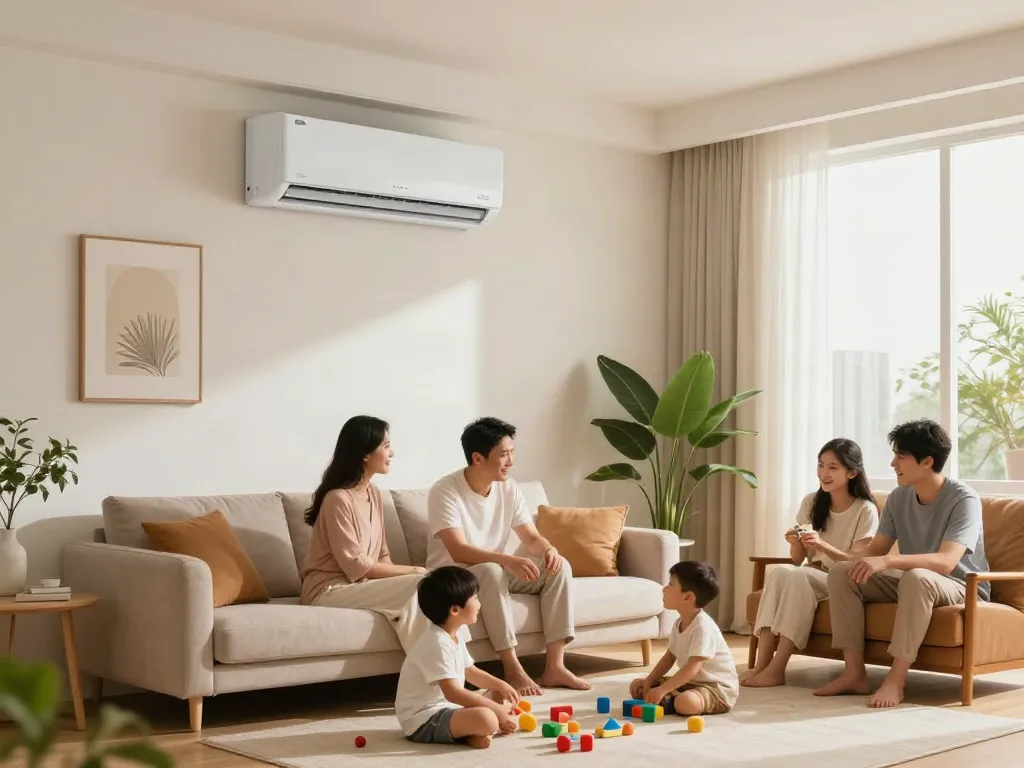
Understanding Mini Split Air Conditioners
As the demand for efficient and flexible heating and cooling solutions rises, mini split air conditioner have taken center stage in the HVAC world. These compact systems offer a variety of benefits over traditional air conditioning units, making them an excellent choice for homeowners and businesses alike. In this article, we will delve into the workings of mini split air conditioners, explore their advantages, and provide useful insights for selecting the right unit for your needs.
What is a Mini Split Air Conditioner?
A mini split air conditioner, commonly known as a ductless system, consists of two main components: an outdoor condenser unit and one or more indoor air handling units. Unlike conventional air conditioning systems that rely on ductwork to distribute cooled air, mini splits are designed to cool individual rooms or zones. This flexibility allows users to maintain different temperatures in different areas of their home, enhancing comfort and efficiency.
How Mini Split Systems Work
Mini split air conditioners operate using a heat pump system, which means they can both cool and heat a space. The outdoor unit houses a compressor that pumps refrigerant through insulated lines to the indoor units. As the refrigerant travels, it absorbs heat from the indoor air (in cooling mode) or releases heat into the home (in heating mode), effectively regulating the temperature. This process allows for quick adjustments and precise control over the indoor climate.
Benefits of Using Mini Split Air Conditioners
- Energy Efficiency: Mini splits are known for their high energy efficiency ratings, often surpassing traditional HVAC systems. This efficiency translates into lower energy bills, making them an environmentally friendly choice.
- Zone Control: The ability to control the temperature of individual rooms can lead to significant savings. Homeowners can choose to heat or cool only the areas that are in use.
- Easy Installation: With no need for extensive ductwork, mini splits can be installed quickly and with minimal disruption to your home.
- Low Noise Levels: These systems operate quietly compared to traditional units, providing a more serene living environment.
Choosing the Right Mini Split Air Conditioner
When selecting a mini split air conditioner, it's essential to consider several factors that influence performance and efficiency. Understanding your specific needs will help you make an informed choice.
Factors to Consider for Your Home
- BTU Rating: The British Thermal Unit (BTU) rating indicates the cooling and heating capacity of the unit. Proper sizing is crucial; too small a unit will struggle to cool, while one that’s too large will cycle on and off excessively.
- Energy Efficiency Ratio (EER): Look for units with higher EER ratings, which indicate better energy efficiency. This is especially important for long-term utility cost savings.
- Installation Requirements: Assess the installation needs, including space for outdoor units and electrical requirements.
- Noise Levels: Review the decibel ratings of different models if noise is a concern in your space.
Comparing Different Brands and Models
The market is filled with many brands and models of mini split air conditioners, each offering unique features. Reputable brands like Mitsubishi, Daikin, and LG provide a range of options to fit various budgets and technical specifications. It’s advisable to read customer reviews and professional evaluations to understand the reliability and performance of different models.
Common Myths About Mini Split Systems
Despite their popularity, several myths about mini split systems can lead to confusion. One common myth is that they are excessively expensive. While the initial investment may be higher than traditional systems, the long-term energy savings can offset this cost. Another misconception is that mini splits are inefficient in colder climates. However, many modern models are designed to function effectively even in extreme temperatures.
Installation Process of Mini Split Air Conditioners
Whether you choose to install a mini split air conditioner yourself or hire a professional, understanding the installation process can help you make the best decision.
DIY Installation vs. Professional Help
DIY installation can be a viable option for those with technical skills, as many manufacturers provide detailed installation guides. However, professional installation ensures compliance with local building codes and can prevent potential issues with warranty claims. If you're not confident in your abilities, hiring a qualified HVAC technician is recommended.
Step-by-Step Guide to Installation
- Choose Your Location: Select an appropriate spot for the indoor unit, typically near an electrical outlet, and ensure enough space for the outdoor unit outside.
- Install the Mounting Bracket: Securely attach the indoor unit’s mounting bracket to the wall.
- Drill a Hole: Drill a hole through the wall for the refrigerant lines, ensuring it's angled to allow for drainage.
- Connect the Lines: Connect the refrigerant lines and electrical wiring from the indoor unit to the outdoor unit as per the manufacturer’s instructions.
- Test the System: Once everything is connected, turn on the unit to check for proper operation and leaks.
Cost Considerations for Installation
Installation costs can vary widely based on the complexity of the installation and local labor rates. On average, homeowners can expect to pay between $1,500 and $4,000 for a typical mini split installation. Factors influencing cost include the number of indoor units being installed, any needed electrical work, and local market conditions.
Maintenance Tips for Mini Split Air Conditioners
Regular maintenance is key to maximizing the lifespan and efficiency of your mini split air conditioner. Understanding how to maintain your unit can prevent costly repairs and ensure consistent performance.
Regular Maintenance Checklist
- Clean or replace filters every month during peak usage seasons.
- Inspect the outdoor unit for debris, ensuring airflow is unobstructed.
- Check for any signs of refrigerant leaks or unusual noises.
- Schedule a professional maintenance visit at least once a year.
Common Issues and Troubleshooting Tips
Some common issues with mini split systems include inadequate cooling, strange noises, and frequent cycling. Troubleshooting steps can include checking the thermostat settings, ensuring the filters are clean, and inspecting the refrigerant levels. If issues persist, it may be time to consult a professional.
When to Call a Professional for Repairs
If you notice persistent problems, such as the unit not cooling effectively or unusual noises, it’s advisable to call a qualified technician. Additionally, any issues related to refrigerant should be handled by professionals due to the complexity and environmental regulations involved.
Future Trends in Mini Split Technology
The HVAC industry is evolving, and mini splits are at the forefront of many innovations. Looking ahead, several trends are expected to shape the future of mini split air conditioning systems.
Energy Efficiency and Eco-Friendly Options
With increasing concern about climate change, mini split manufacturers are focusing on developing more energy-efficient products. Look for models with inverter technology, which provide precise temperature control and reduce energy consumption significantly.
Smart Mini Split Air Conditioners
Smart technology is becoming increasingly integrated into HVAC systems. Many mini split models now offer Wi-Fi connectivity, allowing remote access to temperature controls and energy management through smartphones, creating a more user-friendly experience.
Industry Innovations Expected by 2026
By 2026, we can expect further advancements in mini split technology, including improved refrigerants with lower environmental impact and systems designed to work seamlessly with renewable energy sources like solar power. These innovations will continue to enhance the efficiency and sustainability of mini split air conditioning systems.
What are the advantages of a mini split air conditioner?
Mini split air conditioners provide numerous benefits, including energy efficiency, flexible installation options, and the ability to control temperatures in specific zones. This can lead to both comfort and cost savings.
How much does it cost to install a mini split system?
Installation costs for mini split systems generally range from $1,500 to $4,000, depending on various factors including the number of units and installation complexity.
Are mini split air conditioners energy efficient?
Yes, mini split air conditioners are known for their high energy efficiency ratings, helping homeowners reduce energy consumption and lower utility bills.
Can I install a mini split air conditioner myself?
While DIY installation is possible for those with technical skills, hiring a professional is recommended to ensure proper installation and compliance with local codes.
What size mini split air conditioner do I need?
Determining the right size mini split air conditioner requires calculating the BTU needs based on the space you want to cool or heat. Consulting a professional can help you find the best fit for your specific requirements.